The Limitations of BMI
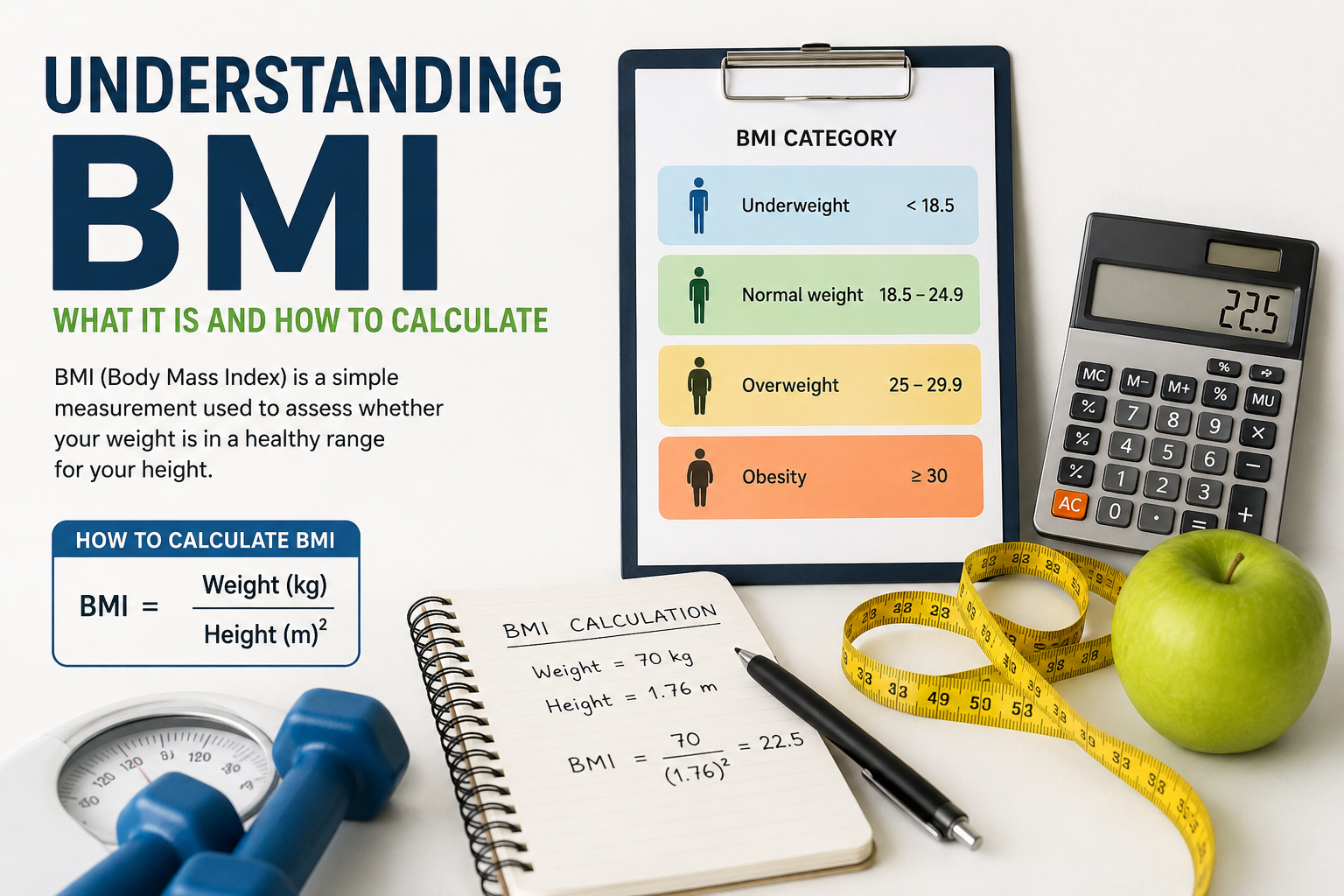
Body Mass Index (BMI) has been the standard metric for assessing weight status for decades. It is calculated by dividing your weight in kilograms by your height in meters squared. While BMI is useful as a population-level screening tool, it has well-known limitations when applied to individuals.
BMI does not distinguish between muscle and fat. An athlete with high muscle mass may be classified as overweight or obese despite having very low body fat. Similarly, older adults who have lost muscle mass may have a normal BMI but excess body fat. This is why relying solely on BMI can be misleading.
Alternative Metrics to Consider
Waist-to-Height Ratio
Research suggests that waist-to-height ratio may be a better predictor of health risks than BMI. The goal is to keep your waist circumference less than half your height. For example, if you are 170 cm tall, your waist should be under 85 cm. This measurement captures abdominal fat, which is more strongly linked to heart disease and diabetes than overall body fat.
Body Fat Percentage
Body fat percentage gives a direct measurement of how much of your weight is fat versus lean mass. Healthy ranges vary by age and gender. For men, 10-20% body fat is generally considered healthy, while for women, 18-28% is typical. Methods for measuring body fat range from simple skinfold calipers to bioelectrical impedance scales and DEXA scans.
Waist-to-Hip Ratio
This ratio compares your waist circumference to your hip circumference. A ratio above 0.90 for men or 0.85 for women indicates higher health risk. It is another useful tool for assessing fat distribution.
Using Our BMI Calculator Effectively
Our BMI calculator is a great starting point for understanding your weight status. Use it alongside the other metrics mentioned above for a more complete picture. Remember that health is about more than numbers on a scale. Regular physical activity, balanced nutrition, and adequate sleep are equally important.
When to Consult a Professional
If you are concerned about your weight or body composition, consult a healthcare professional. They can perform accurate measurements and provide personalized advice based on your medical history and lifestyle factors.