What is BMI?
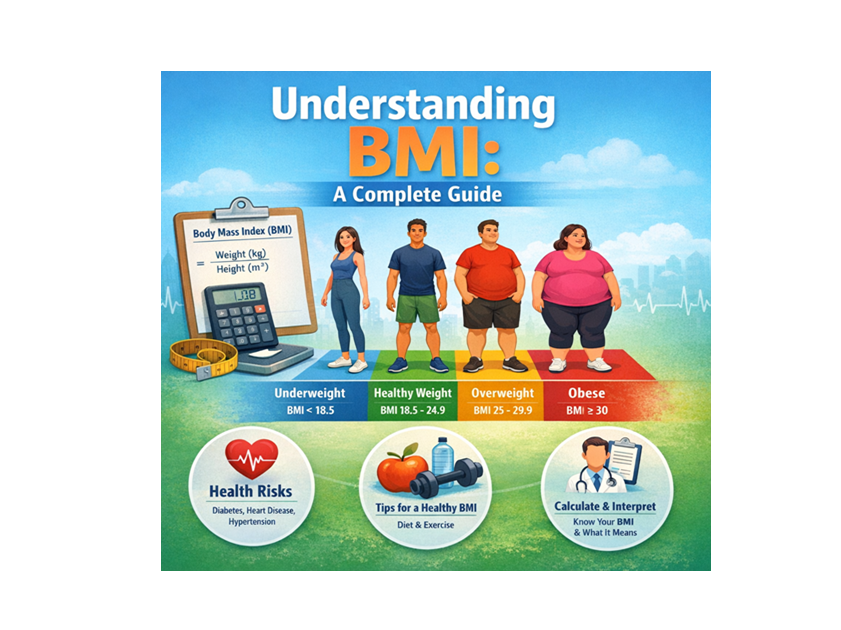
Body Mass Index (BMI) is a simple calculation using your height and weight to determine whether your weight falls within a healthy range. The formula is weight in kilograms divided by height in meters squared. While BMI is widely used by healthcare professionals as a screening tool, it is important to understand both its uses and limitations.
BMI Categories
The standard BMI categories are: Underweight (below 18.5), Normal weight (18.5-24.9), Overweight (25-29.9), and Obese (30 and above). These ranges are based on population studies that associate certain BMI ranges with health outcomes. However, these thresholds may not apply equally to all ethnic groups or individuals.
How to Use Our BMI Calculator
Using our BMI calculator takes seconds. Enter your height and weight, choose metric or imperial units, and click calculate. The tool instantly shows your BMI value, category, and a visual indicator of where you fall on the scale. You can also see your healthy weight range for your height.
Important Limitations of BMI
BMI does not account for muscle mass, bone density, body composition, or fat distribution. Athletes and bodybuilders may be classified as overweight despite having very low body fat. Older adults may have a normal BMI but reduced muscle mass and increased body fat. Additionally, BMI does not indicate where body fat is stored, which matters because abdominal fat is more strongly linked to health risks than fat stored elsewhere.
Complementary Health Metrics
For a more complete health assessment, consider tracking your waist circumference, body fat percentage, and blood pressure alongside your BMI. Regular physical activity and a balanced diet are more important than any single number on a scale.