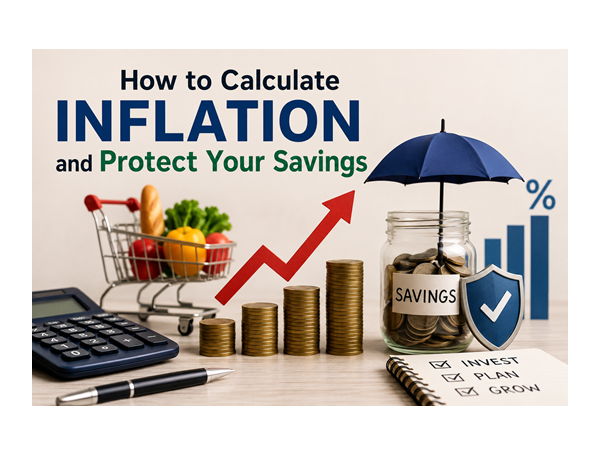
What Is Inflation and Why Does It Matter?
Inflation is the rate at which the general level of prices for goods and services rises over time, eroding purchasing power. If your money is not growing at least at the rate of inflation, you are effectively losing value every year. Understanding inflation is crucial for retirement planning, investment strategy, and everyday financial decisions.
How to Use the Inflation Calculator
Our inflation calculator is straightforward. Enter an amount of money, select a starting year, and choose a future or past year to compare. The calculator uses historical inflation data to show you the equivalent purchasing power. For example, 00 in 1990 would require approximately 25 today to have the same purchasing power, assuming average inflation of 3% per year.
Practical Applications
Knowing how inflation affects your money helps in several ways. When negotiating a salary, understanding inflation helps you determine whether a raise is actually keeping pace with living costs. For retirement planning, you can estimate how much you will need in the future based on current expenses adjusted for inflation. Investors use inflation data to evaluate whether their returns are real gains or just keeping up with rising prices.
Tips for Protecting Your Savings from Inflation
- Invest in diverse assets: Stocks, real estate, and commodities historically outpace inflation over the long term.
- Avoid holding too much cash: Money in a standard savings account earning 1% interest is losing value when inflation is 3%.
- Consider Treasury Inflation-Protected Securities (TIPS): These government bonds adjust with inflation, protecting your principal.
- Review your portfolio regularly: Inflation rates change, and your investment strategy should adapt accordingly.