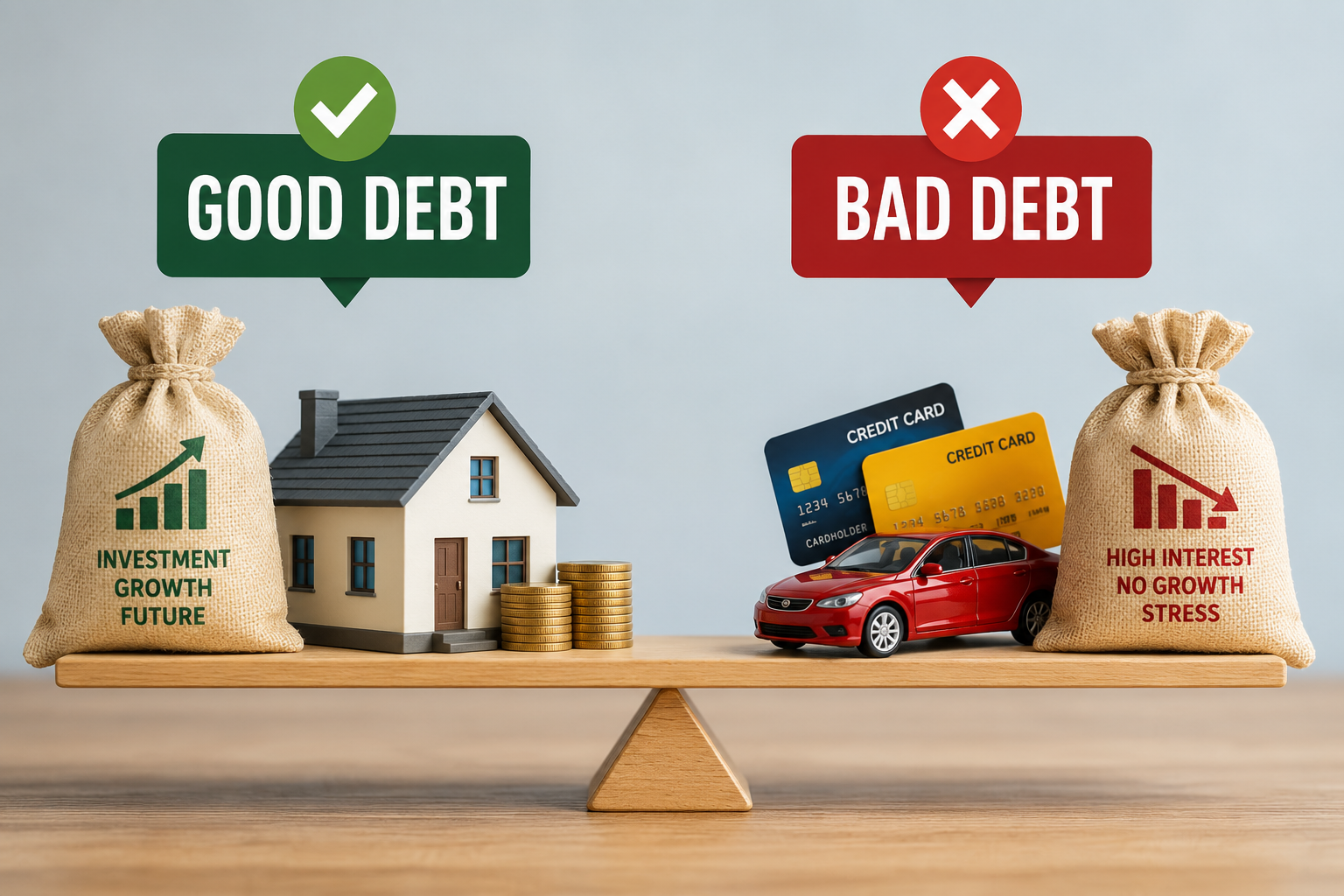
Good Debt vs. Bad Debt
Not all debt is created equal. Good debt helps you build wealth or increase your earning potential. Examples include mortgages, student loans, and business loans. Bad debt is used to purchase depreciating assets or consumables. Credit card debt, payday loans, and auto loans for luxury vehicles fall into this category.
The Snowball Method
Popularized by Dave Ramsey, the debt snowball method involves listing your debts from smallest to largest balance regardless of interest rate. You pay minimum payments on everything except the smallest debt, which you attack aggressively. Once that is paid off, you roll that payment to the next smallest debt. The psychological wins of eliminating debts quickly keep you motivated.
The Avalanche Method
The mathematically optimal approach is the debt avalanche. List debts by interest rate highest to lowest. Pay minimums on everything except the highest-interest debt. This saves you the most money in interest over time. Use our EMI calculator to compare the total interest costs of different repayment strategies.
Debt Consolidation Options
- Balance transfer credit cards: 0% APR for 12-18 months, but requires good credit.
- Personal loans: Fixed rates and terms, can simplify multiple payments into one.
- Home equity loans: Lower rates but puts your home at risk if you default.
- Debt management plans: Non-profit credit counseling agencies negotiate with creditors.
Warning Signs You Need Help
If you are missing payments, using credit cards for basic expenses, or receiving collection calls, it is time to seek professional help. Non-profit credit counseling agencies offer free consultations and can help you create a sustainable plan.
Using Our EMI Calculator for Debt Planning
Our EMI calculator helps you understand the true cost of debt. Enter different loan amounts, interest rates, and tenures to see how much interest you will pay. This clarity empowers you to make informed decisions about borrowing and repayment.