Why Budgeting Matters
A home budget is the foundation of financial health. It gives you a clear picture of where your money is going, helps you identify wasteful spending, and ensures you are saving enough for your goals. Without a budget, it is easy to overspend and wonder where your paycheck went at the end of the month.
The 50/30/20 Rule
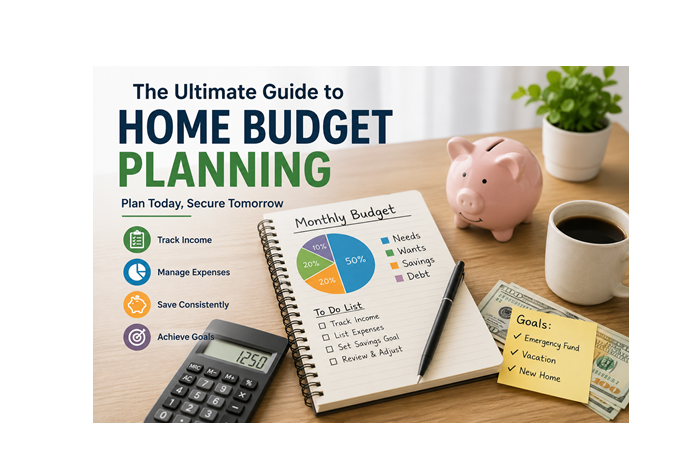
Popularized by Senator Elizabeth Warren, the 50/30/20 rule is a simple and effective budgeting framework:
- 50% for Needs: Housing, utilities, groceries, transportation, insurance, minimum debt payments. These are expenses you cannot avoid.
- 30% for Wants: Dining out, entertainment, hobbies, travel, shopping. These improve quality of life but are discretionary.
- 20% for Savings and Debt: Emergency fund, retirement contributions, investments, extra debt payments above the minimum.
If your needs exceed 50% of your income, you may need to consider reducing housing costs or increasing your income. Our budget calculator can help you visualize these categories.
Step-by-Step Budget Planning
- Track your income: List all sources of after-tax income, including salary, side hustles, and investment income.
- List fixed expenses: Rent or mortgage, car payments, insurance premiums, subscription services.
- Estimate variable expenses: Groceries, utilities, transportation, entertainment. Review past bank statements for accurate averages.
- Set savings goals: Aim for 3-6 months of expenses in an emergency fund, then move to retirement and other long-term goals.
- Review and adjust monthly: A budget is not set in stone. Review it monthly and adjust based on changing circumstances.
Common Budgeting Mistakes
- Being too restrictive: An overly strict budget is hard to maintain. Allow reasonable amounts for fun and flexibility.
- Forgetting irregular expenses: Annual insurance premiums, car maintenance, and holiday gifts should be budgeted monthly.
- Not tracking small purchases: Daily coffee runs and small impulse buys add up. Track everything for at least a month.
- Giving up after a setback: Everyone overspends sometimes. The key is to get back on track the next month, not abandon budgeting entirely.
Tools That Help
Our suite of financial calculators supports your budgeting efforts. Use the inflation calculator to plan for rising costs, the EMI calculator before taking new loans, and the tip calculator to manage dining expenses. Small tools make a big difference when used consistently.